Blog
How Vietnamese Media and Public Institutions Have Covered GRAC

GRAC Vietnam began with a practical challenge: how to digitise a fragmented municipal waste-management system involving households, local authorities, collection operators and largely manual service payments.
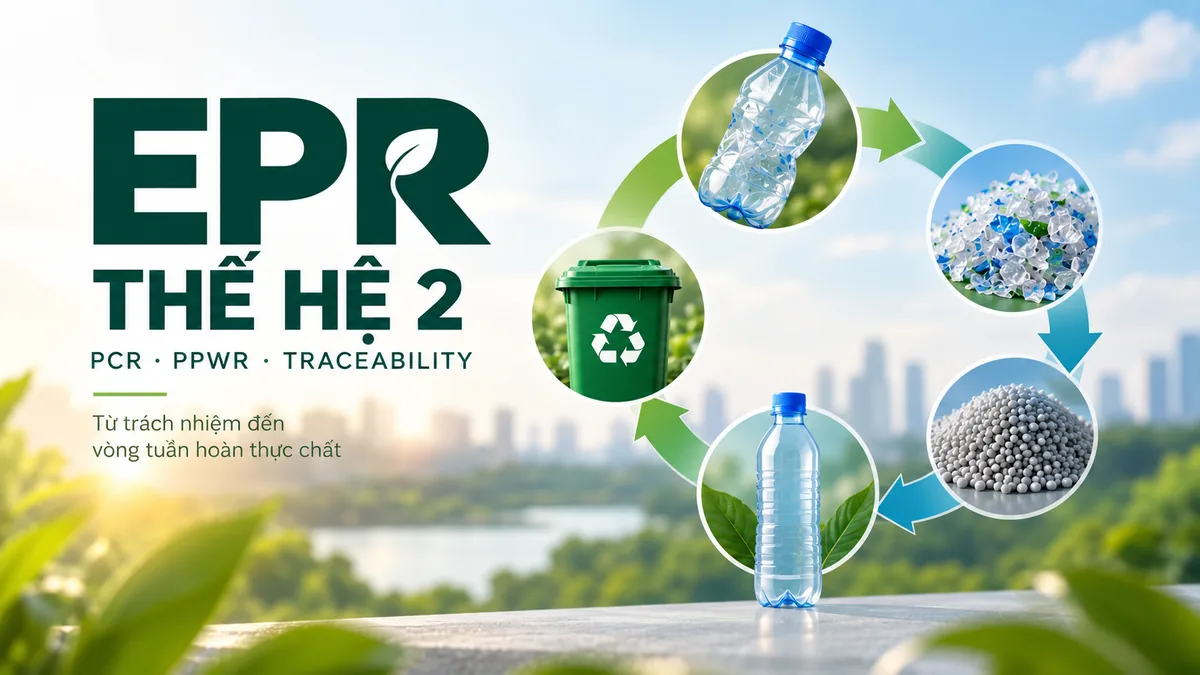
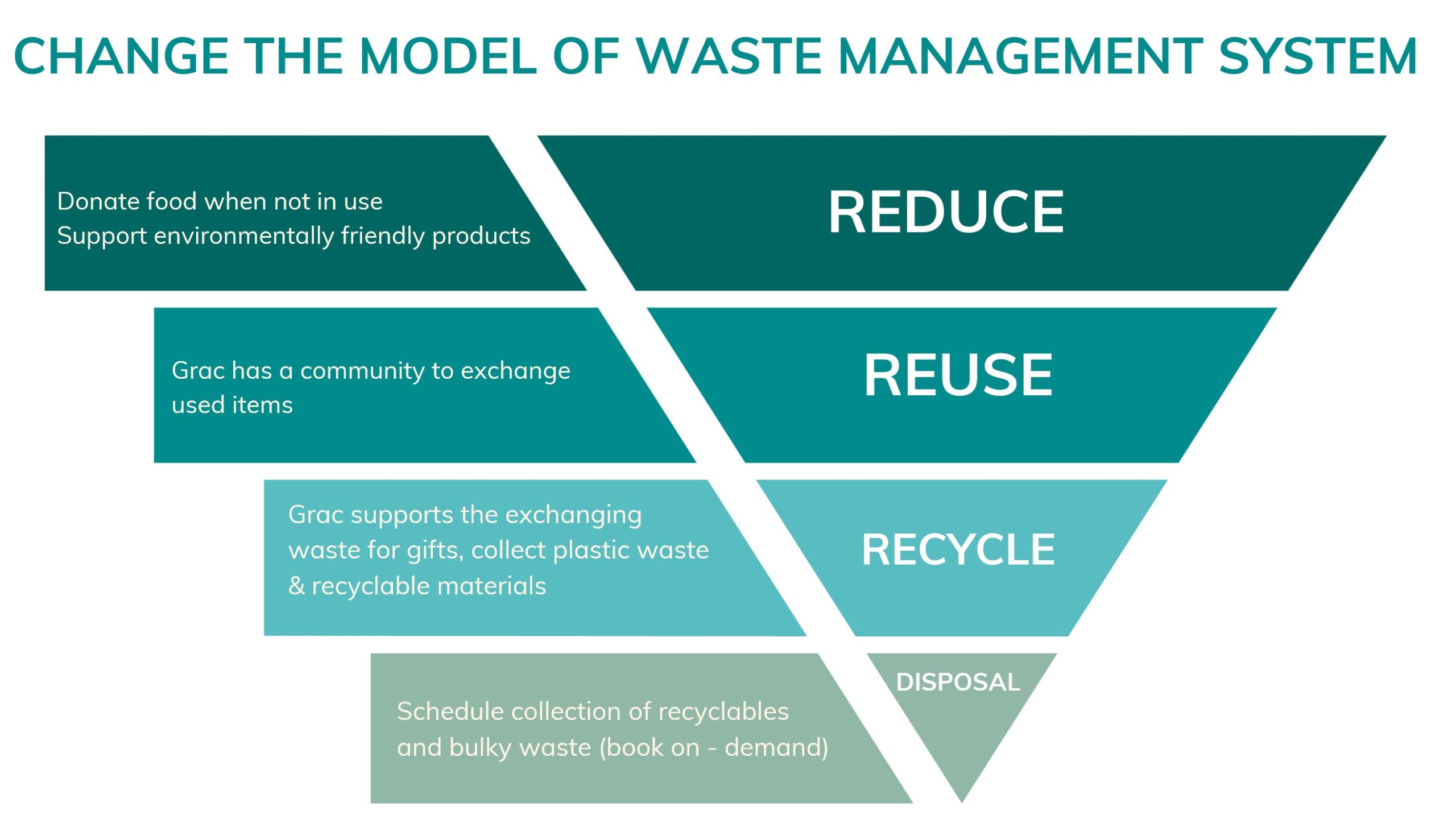
Over time, that challenge expanded. GRAC moved from household and waste-generator databases into recyclable-material recovery, Green Points, corporate partnerships, Extended Producer Responsibility (EPR) and waste traceability.
GRAC Vietnam: from waste-service management to municipal digital infrastructure
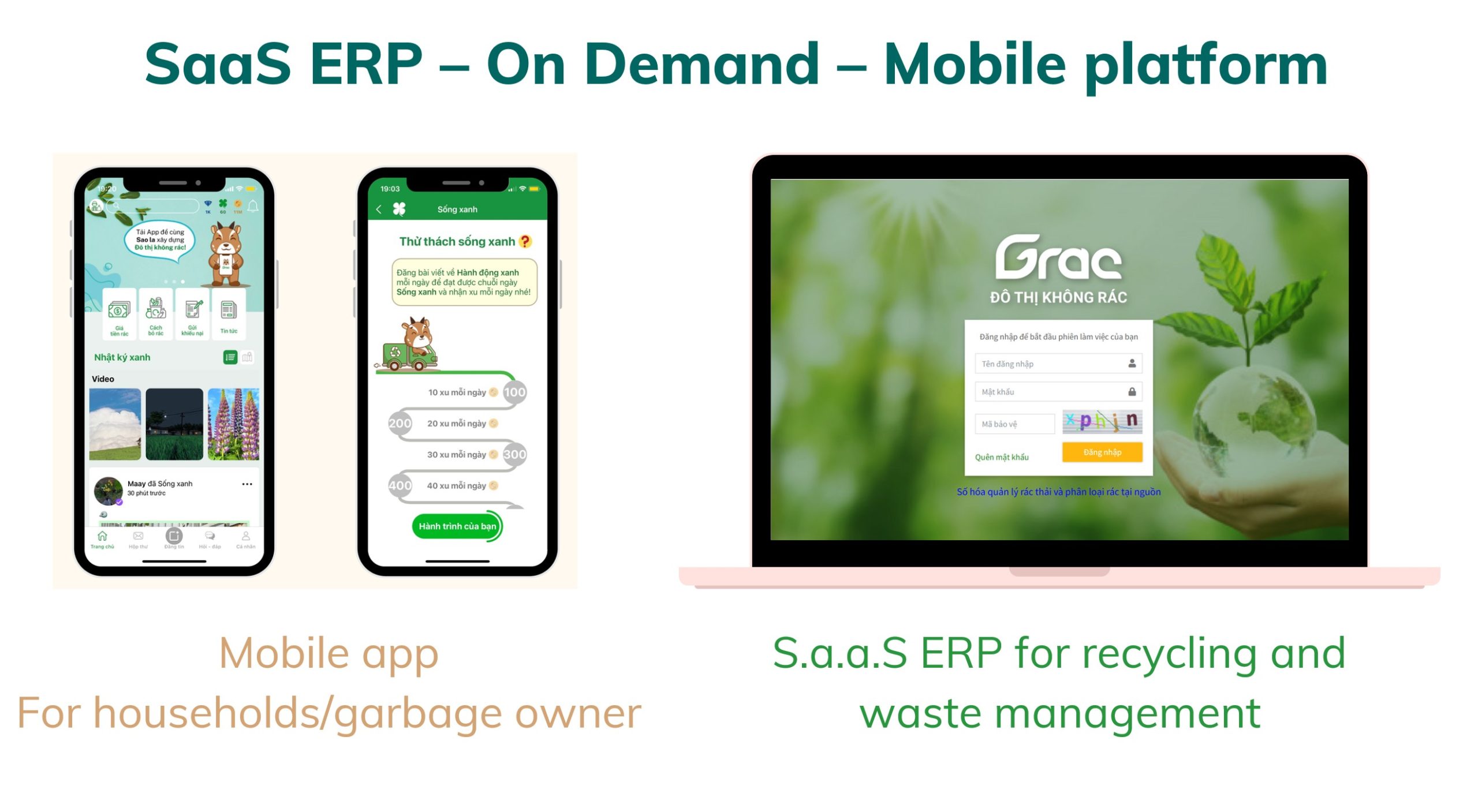
Early Vietnamese media records described GRAC as a technology project for online waste-service payments, waste sorting, reuse and recycling. By 2023–2024, it was increasingly covered as municipal waste-management infrastructure: a tool to digitise households and waste generators, manage collectors, handle service requests, support pricing and online payment, and enable recyclable-material collection.
Public records of adoption and operating scale
Public reporting from Thu Duc City and Vietnamese media documents the digitisation of 165,013 municipal solid-waste sources across 34 wards. VietnamPlus also reported use across ward- and commune-level authorities, with more than one million households and waste generators represented in the system at the time of publication.
Digital payments show the operating reality of transformation
Media coverage of digital waste-service payments is useful because it records both benefits and operational challenges. Digital transformation requires more than software: data, money flows, operating procedures, collector incentives and public accountability must work together.
From waste management to plastics circularity
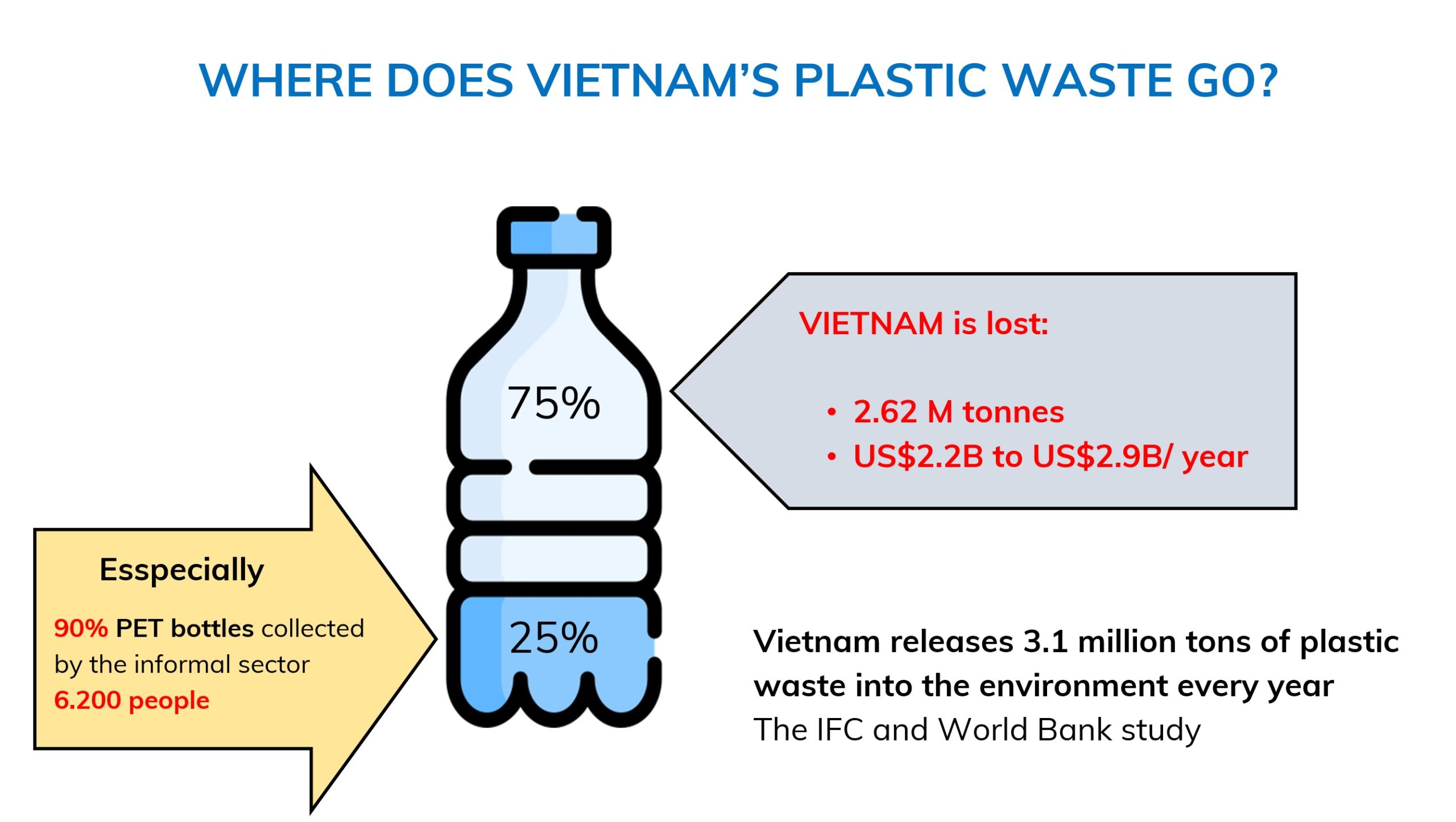
Vietnam’s Department of Environment recorded GRAC’s recognition in the Plastic Circularity Innovation Solutions 2024 competition for a technology-based solution supporting plastic-waste collection. The important progression is Innovation Recognition → Corporate Partnership → Local Government Implementation.
Green Points, community participation and material recovery
Vietnamese reporting has documented the Green Station programme implemented by PepsiCo Foods Vietnam and GRAC, initially engaging thousands of students and later expanding into residential communities. A Green Point becomes more valuable when material type, weight, time, collection point and receiving party can all be recorded as evidence.
Tan My MRF: traceability moves from dashboard to field
The Tan My Material Recovery Facility in Ho Chi Minh City provides a public example of GRAC’s development toward material traceability. Reporting describes a process from Household Sorting → Collection at the Station → Transfer to a Recycler, supported by digital data for weight tracking, material journeys, origin traceability and reconciliation.
A precise formulation is that GRAC provides the technology platform behind a digitally enabled MRF model; it does not claim a partner’s recognition as GRAC’s own award.
From a waste-payment app to circular-economy data infrastructure
Across the 2019–2026 timeline, the most consistent theme is data. The progression is Municipal Waste Digitalisation → Recycling Traceability → EPR Infrastructure → Global Waste Traceability.
Media coverage is a third-party public record, but the field remains the real test: local authorities must organise data, collectors must work within the system, recyclable materials must reach processors, and corporate customers must be able to reconcile evidence against outcomes.
Learn more
Read the Vietnamese source article, how Vietnamese media and public institutions have covered GRAC, plus GRAC’s waste-traceability approach and EPR assessment services.