GRAC — a Producer Responsibility Organization (PRO) in Vietnam
Listed on Vietnam's National EPR Information System as a recycling organization authorized by producers to organize recycling.
GRAC connects a company's EPR obligation to the material flow in the field and to a traceable data layer — from collection and handover through to sign-off on recycling results.
Listing category: Đơn vị nhận ủy quyền tái chế sản phẩm, bao bì — recycling organization authorized by producers for products and packaging
GRAC operating scale
- 270+
- commune-level local authorities using GRAC services
- 1 million+
- waste generators managed in the system
- 12,000+
- tonnes of plastic traced, cumulative 2025–2026
- 1,200+
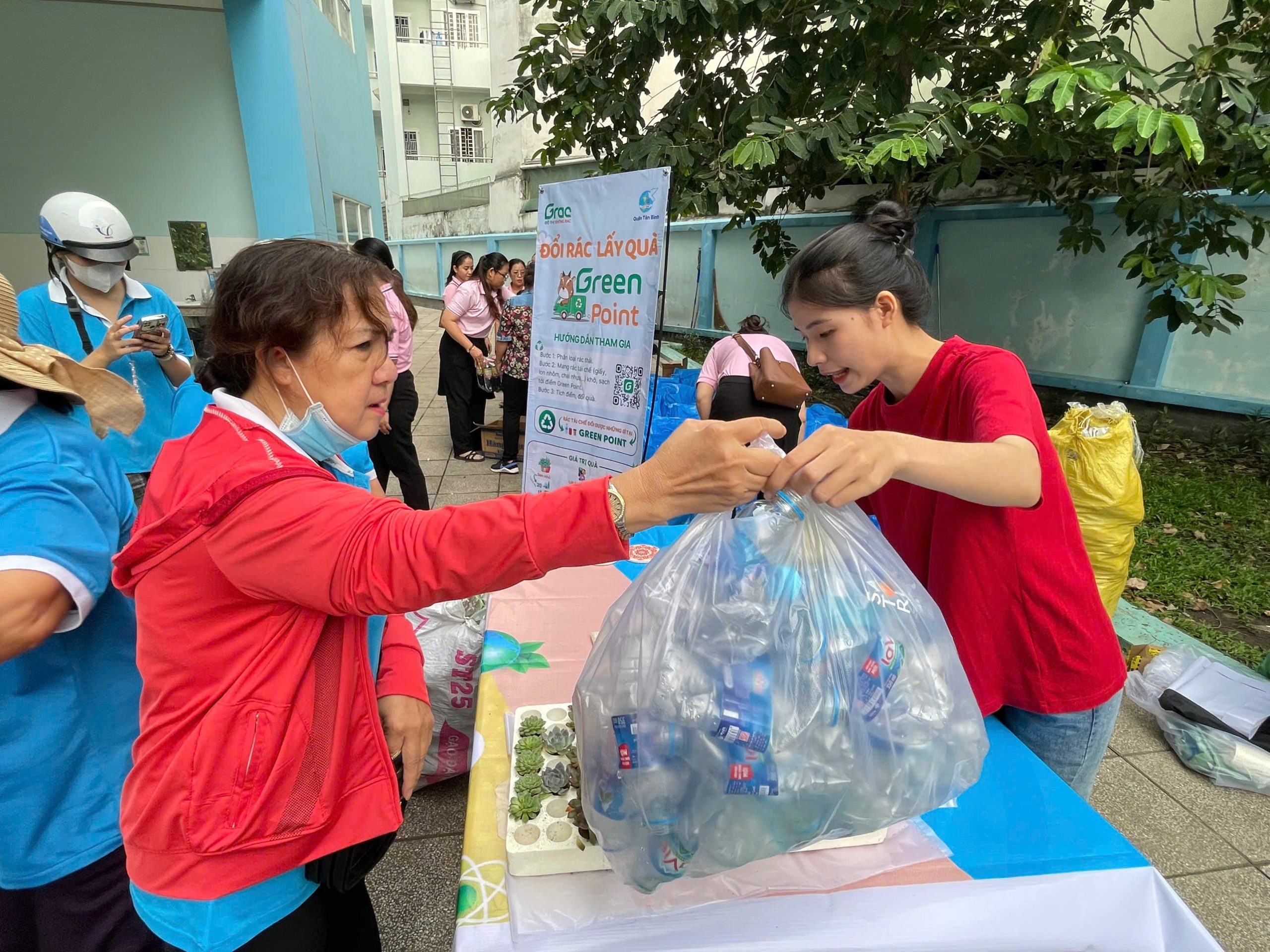
- people and collection entities connected, including the informal sector
▪ Operating figures published by GRAC. Traced volumes are not the same as confirmed recycling results for a specific EPR obligation.
GRAC began with a very practical gap: waste gets collected, but the data usually stops halfway.
GRAC grew along the path the material itself takes: from field operations → traceability → sign-off → reporting data. The same data gap that used to be an operational problem for cities has now become a compliance problem for EPR.
Seeing the waste system
Digitizing waste sources, collection operators and local services.
Tracking the material flow
Linking source, weight and handover into one continuous data chain.
Turning data into evidence
Organizing fulfillment, sign-off and standardized data for recycling obligations.
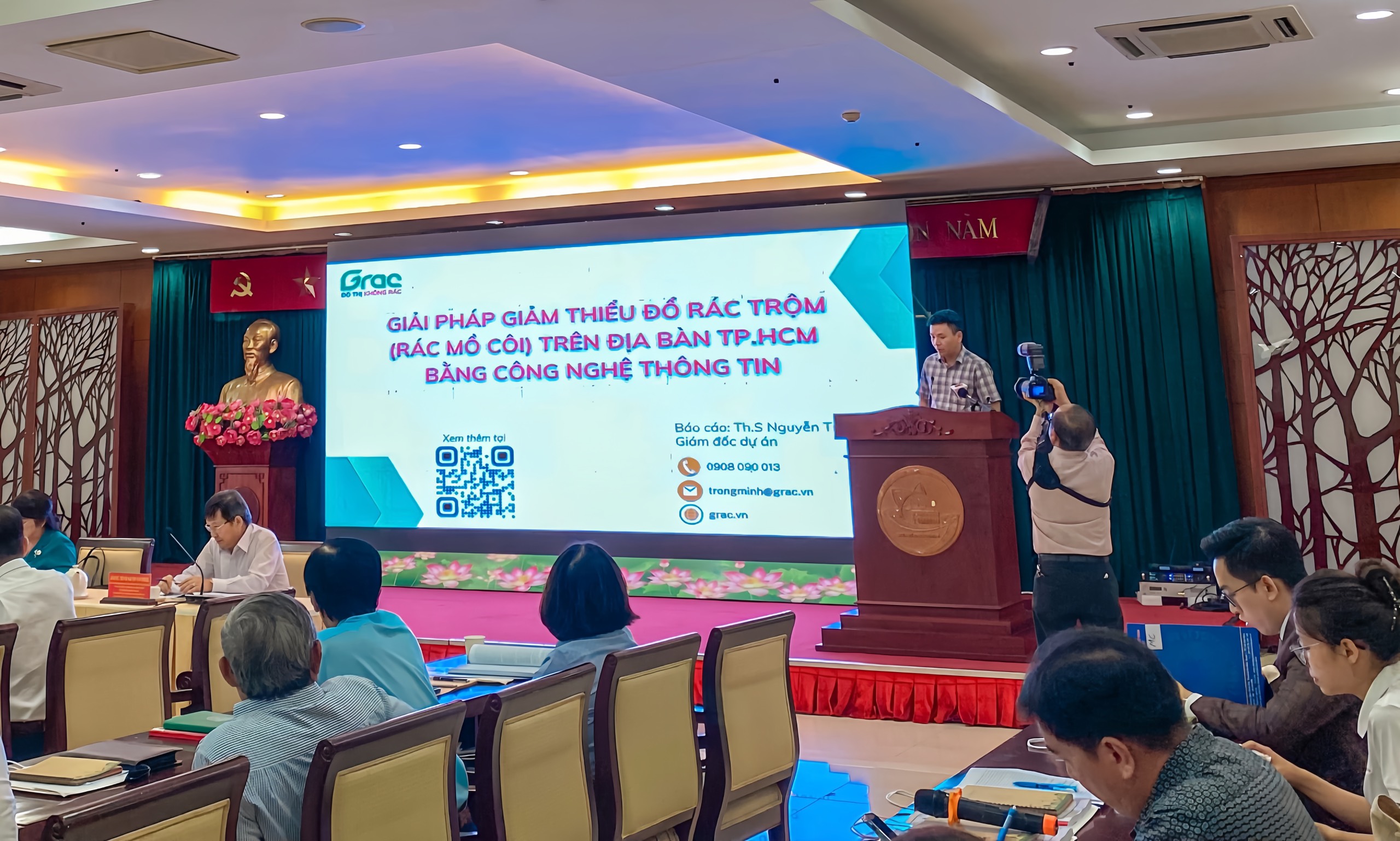
Three advantages that are hard to copy at the same time.
GRAC's advantage lies in connecting field operations, traceability architecture and EPR workflow on a single data infrastructure.
Material flow and data move together
Collection, handover and recycling are each tied to a weight, a timestamp and the matching evidence.
An operating base built on a real waste system
Municipal footprint and the collection network provide the operating base for traceability in the field.
Built for tracing, reconciliation and sign-off
Data follows the source, the weight, the handover, the recycler, the recycling result and the sign-off.
Three core products. One shared traceability infrastructure.
Three products serve three different needs but share a single data architecture — municipal waste, recyclables traceability and EPR fulfillment.
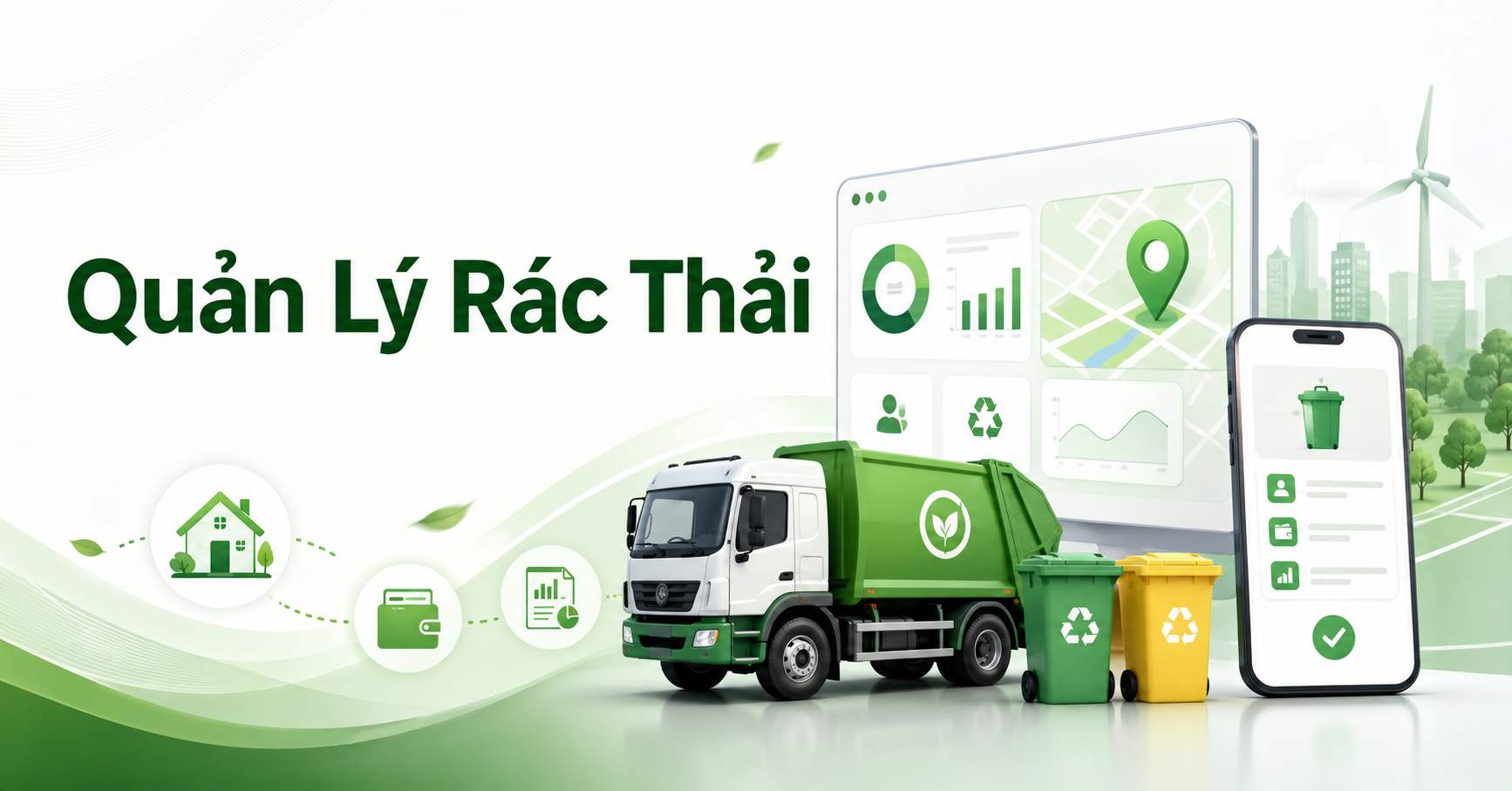
Municipal Waste Traceability
Digitizes waste sources, collection operators, contracts, services, source segregation, weights and operating status on one shared system for local government and service providers.
- Registry of waste generators and collection operators
- Service, contract, fee and payment management
- Dashboards for province / ward / collection operator
- Source segregation, scheduling and citizen reports
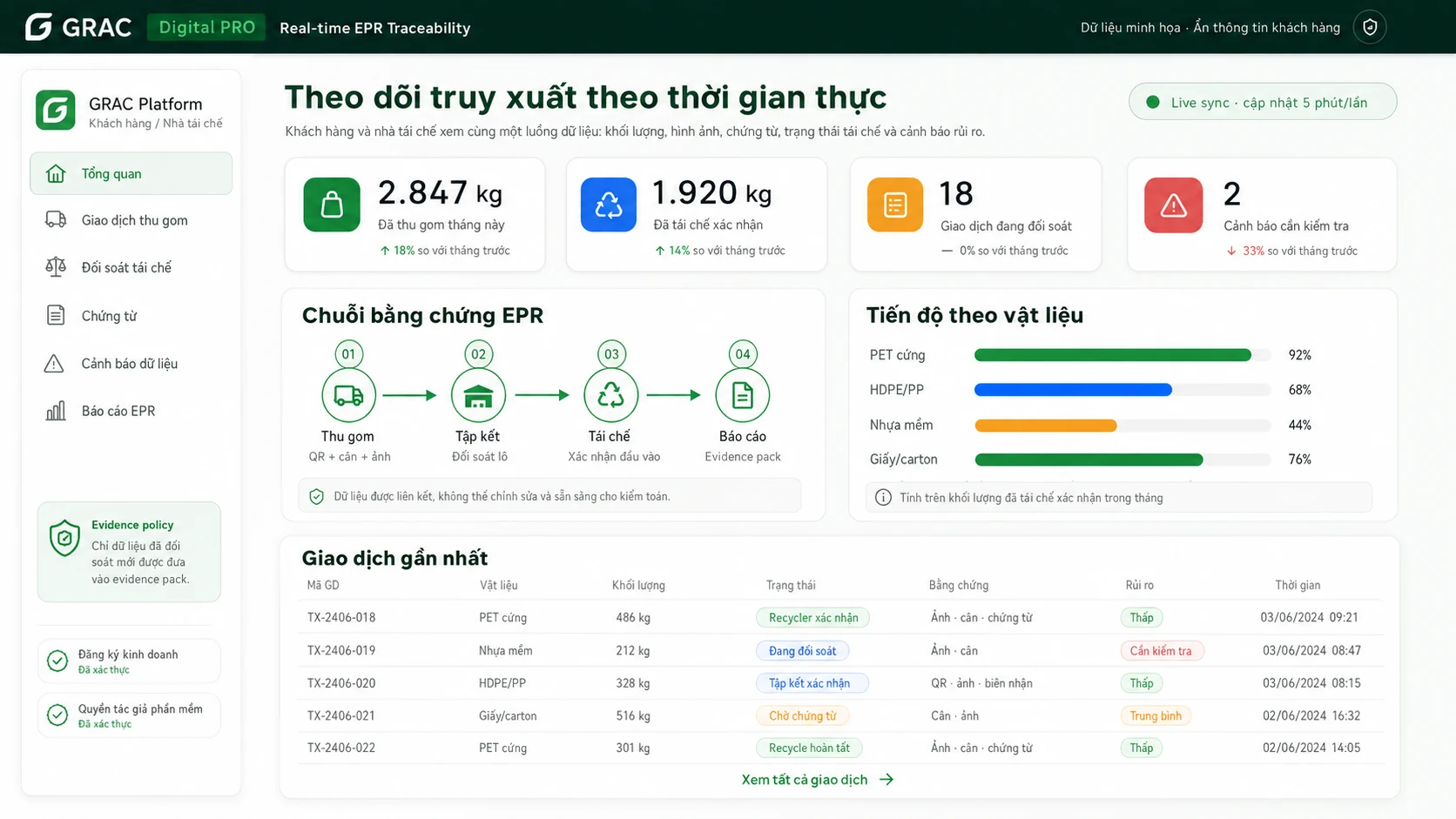
EPR Platform
A data layer that traces recyclable material from the point of generation through collectors, aggregators and recyclers; focused on chain-of-custody, handover reconciliation and material-flow evidence.
- Source-to-recycler material traceability
- Records weight, time and the sending / receiving party
- Tracks material batches and every handover point
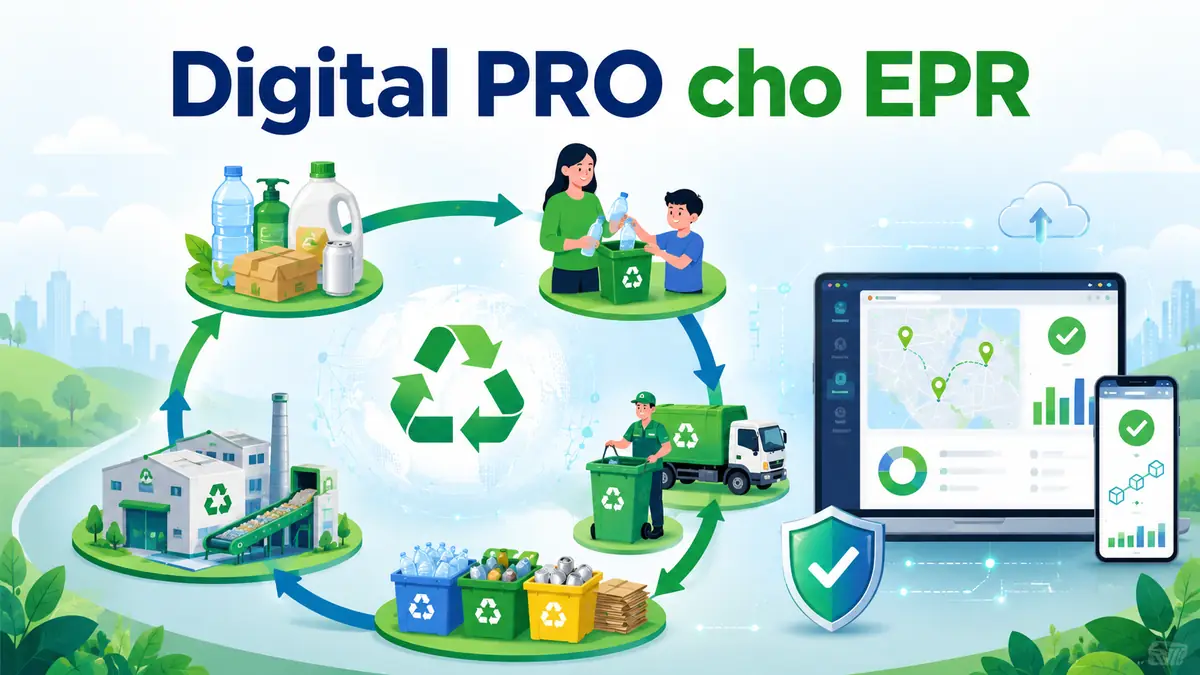
EPR Fulfillment Services
A service for producers and importers that need to put recycling responsibility into practice - from the plan and the delivery network through to sign-off, evidence and reporting data.
- Obligation scoping and fulfillment planning
- Organizing collection, handover and recycler connections
- Volume sign-off and evidence-pack management
Selected, tested, and put into deployment.
These milestones trace the path from being selected → field testing → EPR deployment.
Climate Finance Accelerator Vietnam
GRAC took part in CFA Vietnam, Phase 1 – Cycle 2, in the circular economy and waste management cohort.
Verify at CFA ↗PepsiCo Greenhouse Accelerator APAC 2024
GRAC reached the Top 10 of PepsiCo's Greenhouse Accelerator APAC – Sustainability Edition 2024.
PepsiCo Greenhouse ↗ · Top 10 announcement (Vietnamese) ↗Plastic Circularity Innovation Competition 2024
GRAC received an “Outstanding Solution” award for its plastic collection technology; the model was then taken into the field in Ho Chi Minh City.
Verify the result (Vietnamese) ↗Tân Mỹ MRF with Unilever Vietnam
The People’s Committee of Tân Mỹ Ward manages the station and Unilever Vietnam funds it; GRAC built the station, applies its traceability technology and transfers recovered material to the recycler. The chain from household to recycler is recorded on the GRAC platform.
Verify at Unilever (Vietnamese) ↗National EPR Information System
GRAC is listed on Vietnam's National EPR Information System as a recycling organization authorized by producers to organize recycling.
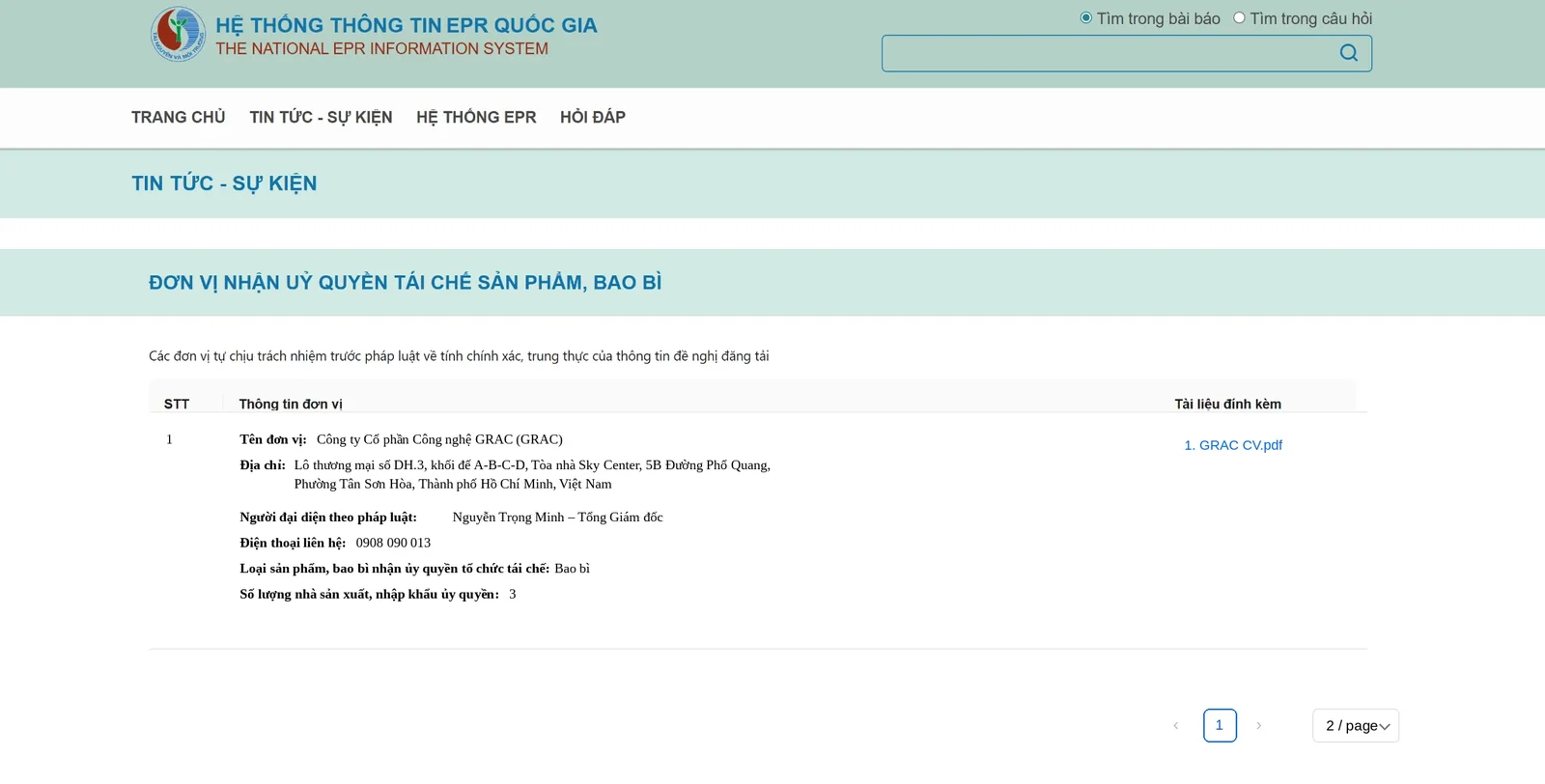 Verify on the National EPR System (Vietnamese) ↗
100+ Accelerator — Cohort 7
GRAC was selected into Cohort 7 of the 100+ Accelerator to pilot and scale sustainability solutions with global corporations.
Selection announcement (Vietnamese) ↗ · 100+ Accelerator ↗Data infrastructure has to come with governance, standards and clear ownership.
Valid until 26/03/2027
Valid until 26/03/2027
Copyright registration certificate no. 1139/2024/QTG
The GRAC leadership team.
The team combines GRAC's six core capabilities: waste management, municipal waste traceability, policy, technology, sustainability and EPR fulfillment.

Sets strategy, EPR direction, partnerships and the growth of the GRAC ecosystem.
19+ years in waste management & recycling
Leads policy, program development and public-sector engagement.
14+ years in policy
Leads deployment of the municipal waste management and traceability platform for local governments and operators.
15+ years managing & delivering environmental projects
Leads platform architecture, data, system integration and digital product development.
10+ years building technology platforms
Leads sustainability strategy, impact measurement and circular economy programs.

Leads EPR delivery, recycler network development and coordination of the recycled material chain.
EPR has to become a filing you can submit — not just a slide deck.
Send us your product and packaging volume data; GRAC will help estimate the obligation, the fulfillment approach and a filing roadmap that fits.
Ho Chi Minh City · congnghe@grac.vn · 0356 988 320 · 0898 215 221

